Notice: Function _load_textdomain_just_in_time was called incorrectly. Translation loading for the live-composer-page-builder domain was triggered too early. This is usually an indicator for some code in the plugin or theme running too early. Translations should be loaded at the init action or later. Please see Debugging in WordPress for more information. (This message was added in version 6.7.0.) in /home/rooikran/public_html/wp-includes/functions.php on line 6121

Notice: Function _load_textdomain_just_in_time was called incorrectly. Translation loading for the live-composer-page-builder domain was triggered too early. This is usually an indicator for some code in the plugin or theme running too early. Translations should be loaded at the init action or later. Please see Debugging in WordPress for more information. (This message was added in version 6.7.0.) in /home/rooikran/public_html/wp-includes/functions.php on line 6121

Notice: Function _load_textdomain_just_in_time was called incorrectly. Translation loading for the vega domain was triggered too early. This is usually an indicator for some code in the plugin or theme running too early. Translations should be loaded at the init action or later. Please see Debugging in WordPress for more information. (This message was added in version 6.7.0.) in /home/rooikran/public_html/wp-includes/functions.php on line 6121
Nova - Rooikrans | AGRI Business

Peeling off the layers...

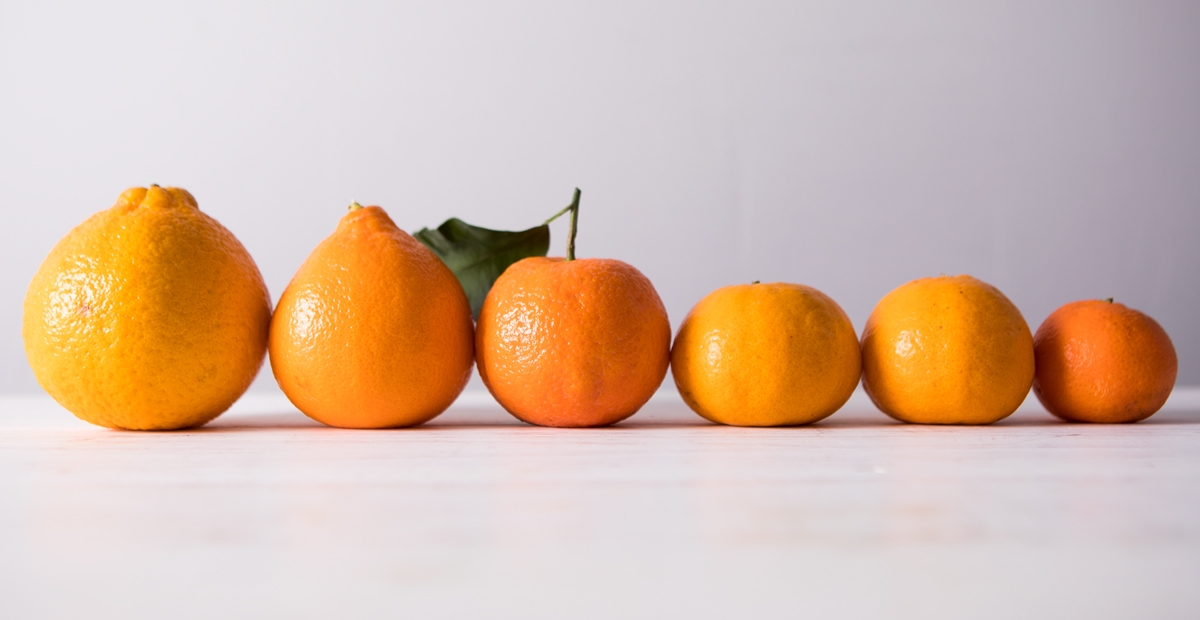
The nova is a good sized fruit with a firm slightly thicker peel. It has a deep reddish-orange colour skin that is slightly pebbled. The fruits are rounder than it's family member, Clementine. The skin is rich in oils that give off an amazing aroma. The fruit has superior, fine-textured and juicy flesh on the inside. The small amount of pith comes off easily with the skin of this easy peeler. Novas are mostly seedless with no neck.

Novas are also part of the Mandarin family. They are a hybrid between a Clementine mandarin and the Orlando tangelo.

Mandarins originated from China and made there way to Japan where they have been cultivated from the 10th centaury.