Notice: Function _load_textdomain_just_in_time was called incorrectly. Translation loading for the live-composer-page-builder domain was triggered too early. This is usually an indicator for some code in the plugin or theme running too early. Translations should be loaded at the init action or later. Please see Debugging in WordPress for more information. (This message was added in version 6.7.0.) in /home/rooikran/public_html/wp-includes/functions.php on line 6121

Notice: Function _load_textdomain_just_in_time was called incorrectly. Translation loading for the live-composer-page-builder domain was triggered too early. This is usually an indicator for some code in the plugin or theme running too early. Translations should be loaded at the init action or later. Please see Debugging in WordPress for more information. (This message was added in version 6.7.0.) in /home/rooikran/public_html/wp-includes/functions.php on line 6121

Notice: Function _load_textdomain_just_in_time was called incorrectly. Translation loading for the vega domain was triggered too early. This is usually an indicator for some code in the plugin or theme running too early. Translations should be loaded at the init action or later. Please see Debugging in WordPress for more information. (This message was added in version 6.7.0.) in /home/rooikran/public_html/wp-includes/functions.php on line 6121
Satsuma - Rooikrans | AGRI Business

Peeling off the layers...

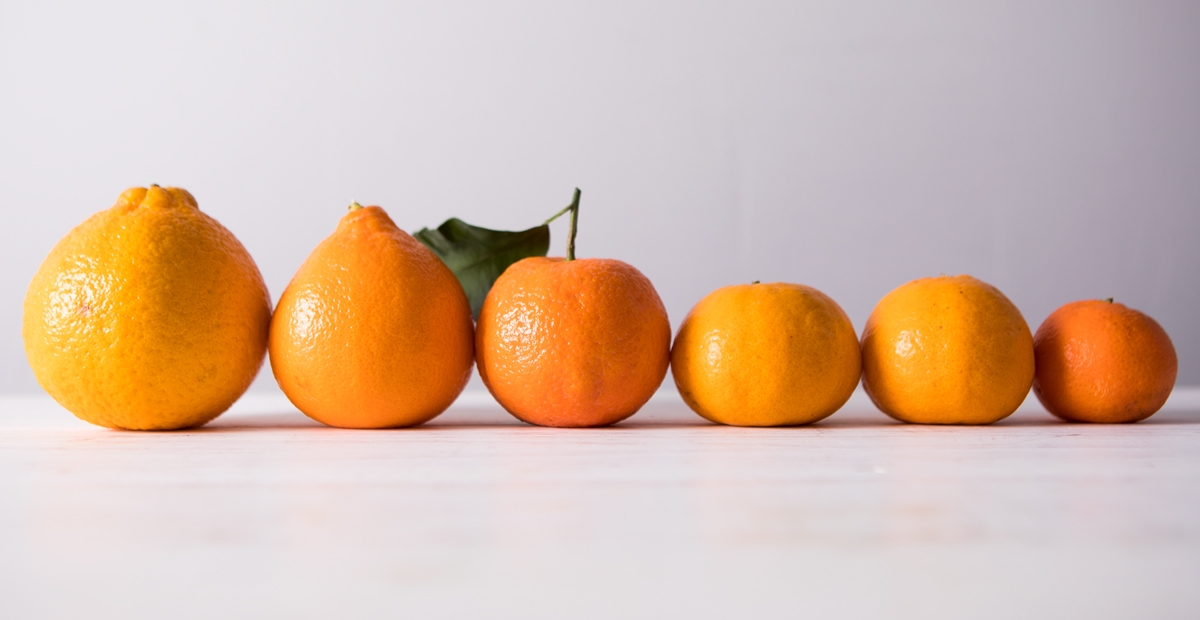
Satsumas are a good sized fruit with a yellow-orange sunny-coloured firm skin. The fruit has no neck and are easily peeled and segmented. The fruits are quite heavy because of all their delectable juices inside. The fruits are seedless.

Satsumas are a variety of mandarin oranges, related to Tangerines, Clementines, Nova, etc. They are considered the juiciest of the family and have a balanced sweet-yet-tart flavour with high acid and sugar content.

Satsumas are believed to have been cultivated in Japan from material that came from China in the 1400's. Satsumas later spread to China and the Mediterranean and other parts of the world.

They are nick named 'Chrismas oranges' in Britain where they were historically given out as a Chrismas treat.

In South Africa they are called Naartjies, from the Tamil word "Nartei" which means citrus.